
Back in 2022, I attended a marketing event that quietly changed how I think about building products.
It wasn’t because of a keynote.
It wasn’t because of a fancy framework.
It was because of a short conversation outside the venue with Aakash Anand, the founder of Bella Vita, a ₹600-crore D2C brand.
Inside the event, there were panels, buzzwords, growth hacks, and polished decks. Outside, there was just curiosity and honesty.
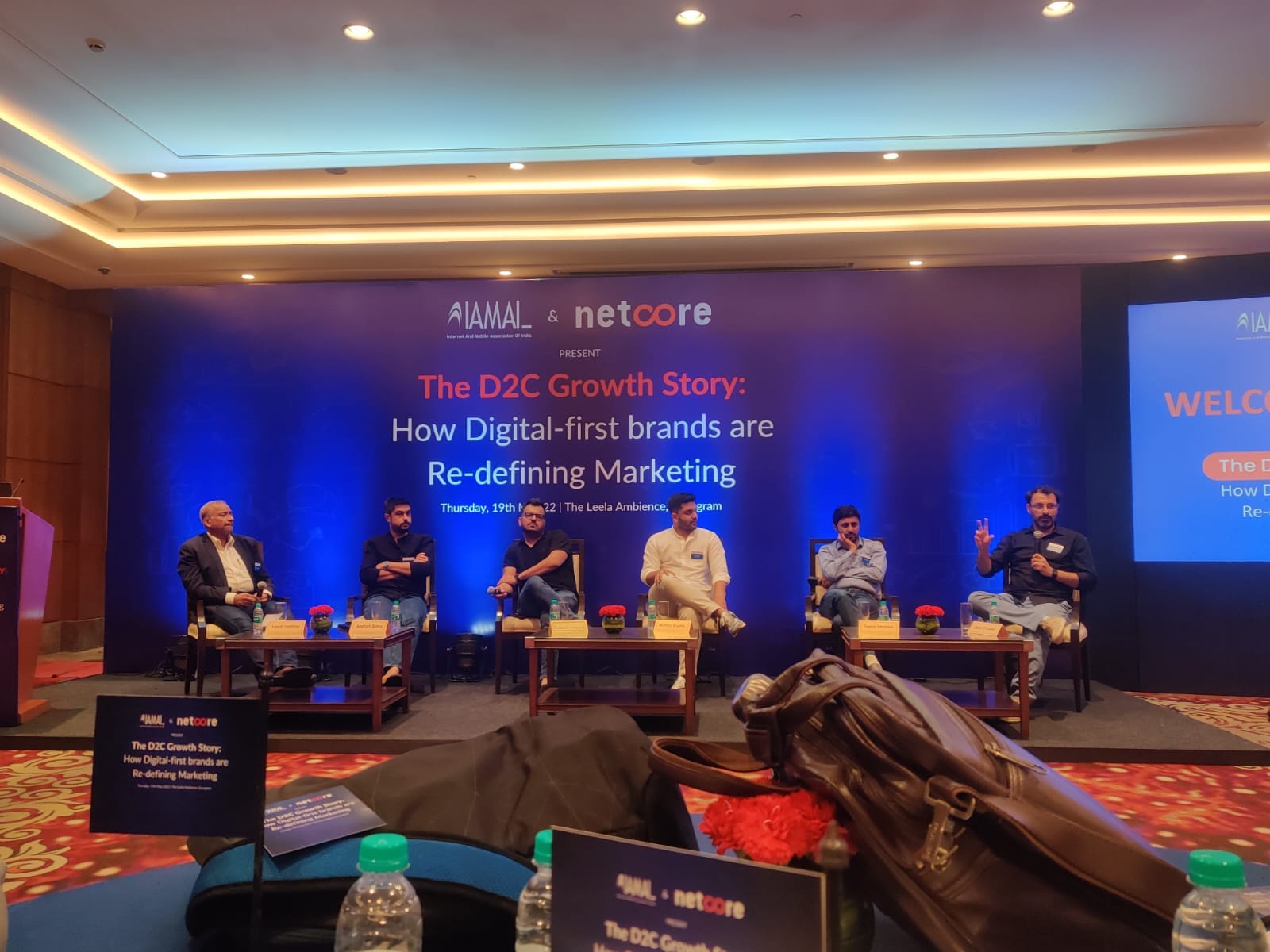
After the event wrapped up, I waited for Aakash to step out. When he did, I asked him a question that had been sitting in my head for a long time:
“How do you decide which product to launch?”
Especially in D2C where speed, inventory, and cash flow all matter.
He smiled and gave me an answer that felt almost too simple for someone running a ₹600-crore company.
The Product Philosophy That Changed My Thinking
He said:
“We launch a lot of products into the market and see what actually sticks.”
No over-engineering.
No obsession with being right on day one.
But here was the real insight most people miss:
They do it with speed.
-
Launch quickly
-
Observe real customer behavior
-
Double down on what works
-
Ruthlessly deprioritize what doesn’t
The market decides not opinions, not internal debates.
That moment hit me hard.
Because here was a founder who had already built at massive scale, following a simpler, faster approach than most early-stage founders I knew including myself at the time.
Where Most Founders Overcomplicate Product Building
Before that conversation, I believed product building meant:
-
Perfect clarity before launch
-
Long planning cycles
-
Getting everything “right” before showing it to users
In edtech, we especially love complexity:
-
Curriculum frameworks
-
Learning outcomes
-
Module sequencing
-
Feature-heavy programs
All important but often too early.
What Aakash helped me realize was this:
Complexity is usually fear pretending to be strategy.
Fear of judgment.
Fear of launching something imperfect.
Fear of being wrong in public.
How I Applied This in My EdTech Business
At that time I was building Dahiya Consulting (Now ScaleEd) although it was still early days for us. After that event, I consciously changed how I built products.
Instead of asking:
-
“What should the perfect program look like?”
I asked:
-
“What problem is my audience already asking me to solve?”
Then I did three simple things:
-
Spoke directly to my audience
Not surveys—real conversations. -
Built fast, imperfect programs
Useful > polished. -
Let behavior guide decisions
What people bought.
What they completed.
What they ignored.
The market gave me clarity far faster than months of internal thinking ever could.
The Question EdTech Founders Keep Asking Me
Even today, the most common questions I hear are:
-
How should I design my product?
-
What should be included in my program?
-
How do I know this will work before launching?
My answer has become very simple:
Your first product isn’t your masterpiece. It’s your experiment.
Launch → Learn → Iterate → Focus.
That’s the loop.
The Real Lesson
The biggest takeaway wasn’t tactical it was philosophical.
-
Even ₹600-crore founders don’t have perfect answers upfront
-
They don’t worship complexity
-
They respect speed and real feedback more than internal certainty
If founders at that scale are keeping things simple, we have no excuse to overcomplicate.
Final Thought
That short conversation with Aakash Anand reshaped how I think about product building:
Sophistication comes later. Simplicity gets you started.
And sometimes, the most important lessons don’t come from stages or slides but from honest conversations outside the room.
If you liked this post, you will like this one too!